

Dentist Glen Allen
 Sugary, sticky, and sweet candies can damage your teeth by increasing your risk of decay. Though gum can be considered a type of candy, chewing sugarless gum approved by the ADA can actually help protect teeth and prevent tooth decay. Here’s what you need to know about gum and your teeth.
How it Works
Chewing gum helps increase the production of saliva. Chewing sugarless gum for twenty minutes following meals can help prevent tooth decay because the saliva helps wash away food and other debris from the surface of your teeth. Increased salivary flow can also neutralize acids that bacteria produce inside your mouth. Over time, acid can break down tooth enamel, leading to decay. Saliva contains calcium and phosphate, which aid in strengthening tooth enamel.
Look for the ADA Seal
The ADA Seal assures you that the gum is sugarless and has met the ADA’s criteria for safety and effectiveness. ADA-labeled products are tested to ensure they provide the benefits guaranteed by the seal. Companies must verify all relevant data with the ADA to become certified. If you are unable to brush for a short period of time, chewing gum with the ADA seal is a great option to help clean your teeth after a meal or snack.
Can I Stop Brushing if I Chew Gum?
No. Chewing gum for twenty minutes after a meal helps but is not a replacement for brushing and flossing. You should brush at least twice each day, for two full minutes. Chewing gum also does not eliminate your need for regular dental examinations. Our dentist recommends scheduling two visits each year, with additional visits necessary for high-risk patients with oral health conditions.
Chewing sugarless gum has noticeable benefits for your oral health, such as increasing the production of saliva. While this can help prevent the build up of decay-causing bacteria, chewing gum should not be used as a substitute for brushing or flossing. Our dentist recommends that if you are chewing gum, be sure to choose an ADA approved brand of sugarless gum.
To schedule your next visit, please contact our dental office.
5243 Hickory Park Drive, Suite D, Glen Allen, VA 23059
 During a comprehensive dental examination, our team will look for signs of oral cancer. Early detection is key with oral cancer. If caught early, most forms of oral cancer are treatable. Our dental team is trained and educated to identify oral cancer.
 “Tooth worms” are the cause of tooth decay.
 For seniors, it is imperative that gum health is a top priority. As you age, your risk of developing periodontal (gum) disease increases. Periodontal disease is both preventable, and in many cases, reversible. When left untreated, it can lead to more serious complications such as bloody or swollen gums, and even tooth loss. Even more alarming are the numerous studies connecting periodontal disease to other serious illnesses. Here’s what you need to know about gum health as you age.
 Loose teeth, bad breath, and painful, bloody gums – these are among the signs and symptoms of periodontal, or gum, disease. Unfortunately, periodontal disease can also begin without any obvious symptoms. If left undiagnosed or untreated, you could be at risk for irreparable damage to your teeth and gums. The good news is that periodontal disease is preventable. In fact, one of the most effective tools for preventing the disease only takes a minute of your time each day.
 When you are traveling, it can be challenging to keep up with your usual daily routine. For many people, this can include having difficulty finding the time to properly brush and floss. Whether you are traveling for business or pleasure, we have gathered a few helpful tips to help you stay on track with your oral health while you are away from home.
 Taking care of your dentures can seem like an added chore. Don’t worry, with a little effort your dentures can stay clean. Here are 5 tips for keeping your dentures clean and your smile healthy.
 Your gum health may have an impact on your cognitive function. One recent study found a correlation between gum disease and increased cognitive decline for people living with early stages of Alzheimer’s disease. While more studies are needed to make a definitive connection, this study illustrates the importance of continuing the conversation about oral health and its impact on your entire body.
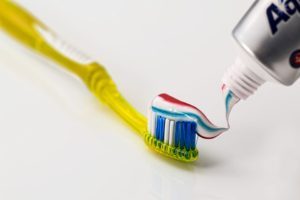 Many people may be surprised to learn that they have been brushing their teeth incorrectly for years. Improper brushing may cause oral health complications, including tooth enamel erosion and periodontal disease. Learn how to brush your teeth correctly and you can protect them for years to come.